
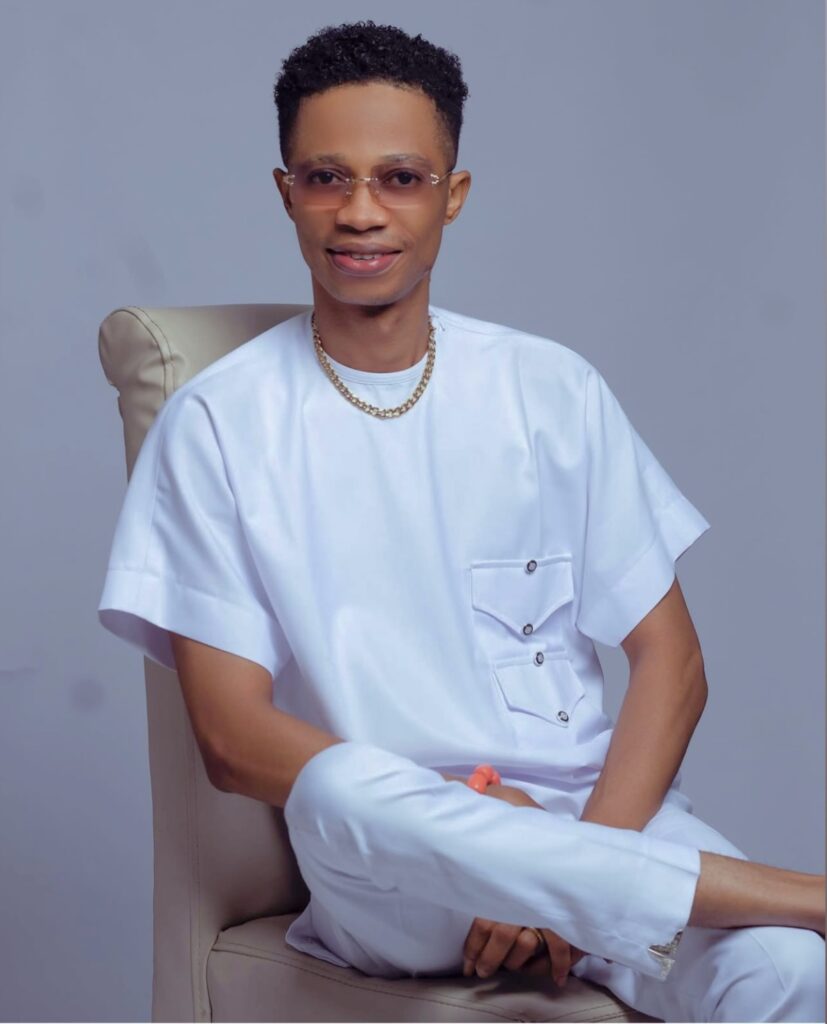
In an era where attention is currency and visibility can redefine destiny, Asuzu Izubenz is building more than a reality show, he’s constructing a pipeline for new talent to emerge, evolve, and command relevance. Through The Gang Reality Show, his vision sits at the intersection of entertainment, empowerment, and scalable media infrastructure. In this interview, he shared about his journey in the industry, challenges and what’s next for the Gang reality show.
What inspired you to create The Gang Reality Show?
The Gang was born out of a moment of global stillness. After the COVID 19 lockdown, there was a visible gap, young people were full of energy, creativity, and ambition, but lacked options of structured platforms to express themselves or be discovered. I didn’t want to create just another reality show. I wanted to build a system, one that identifies raw talent, refines it, and introduces it to the entertainment industry with intention.
At its core, The Gang is about transforming potential into visibility, and visibility into opportunity.
“Talent is everywhere, but access is not. The Gang exists to close that gap.”
Can you share your journey in the television industry and how it led to the founding of Breeze Production?
My journey started in 2005 when I featured in a major film, Pastor’s Blood, alongside established names like Nonso Diobi, Chinwetalu Agu, and Nkiru Sylvanus. That experience exposed me to the power of storytelling and the structure of the industry at a professional level. But more importantly, it opened my eyes to how many talented individuals were trying to find their way in without guidance or access.
Over time, I found myself in a position where people were constantly reaching out, asking for a way in. That demand led to a decision: instead of navigating the industry alone, I would build a platform. That was the foundation of Breeze Production, a space not just to create content, but to build people, develop talent, and structure opportunities.
What were some of the biggest challenges you faced in the early stages of developing The Gang?
Funding was one of our earliest and most defining challenges. Building a reality format from the ground up, without institutional backing requires a different level of resilience and creativity. But in many ways, that limitation shaped our approach. It forced us to think lean, to innovate within constraints, and to design a format that is not only engaging but also scalable across platforms and markets. What started as a constraint has now become part of our strength. “Constraints didn’t limit us, they forced us to build smarter.”

How did you define the unique style and format of The Gang, and what sets it apart from other reality shows?
We were very intentional about not following the traditional reality TV template. The Gang is not just about observation, it’s about evolution. It’s an empowerment driven format where participants are not only seen, but developed. Unlike the typical closed house structure, we introduced elements like real world interactions and weekend outings, making the experience more dynamic and relatable, but beyond format, what truly sets us apart is purpose. We are not just creating content, we are building careers, shaping identities, and creating a bridge between raw talent and industry opportunity. “We are not just producing a show, we are manufacturing relevance.”
What is the process for selecting participants for The Gang, and what traits do you look for?
Our selection process goes beyond surface level appeal. We look for individuals who carry a combination of authenticity, confidence, intelligence, communication ability, and entertainment value. But more importantly, we look for people with potential for growth, individuals who can evolve, connect with audiences, and build a personal brand over time. The goal is not just to cast participants, but to identify future personalities.
How has the audience responded to The Gang compared to other reality formats in Nigeria?
We are currently in a deliberate growth phase. The response has been diverse, but more importantly, it has been engaged and insightful. We are building a loyal audience base that is not just consuming the show, but interacting with it and helping shape its evolution. Rather than chasing scale prematurely, we are focused on building a strong foundation, because sustainable growth in media comes from depth, not just reach. “We’re not just building viewership, we’re building community.”
In what ways do you believe The Gang has changed or influenced the perception of reality television in Nigeria?
While we may not be the largest platform yet, our contribution lies in how we are redefining accessibility and format. We’ve moved away from the idea that reality TV must be confined to a single space or structure. By integrating real world experiences and flexible storytelling, we’ve shown that the format can evolve. More importantly, we’re demonstrating that new creators and producers can enter the space with innovative ideas and still compete. It’s about opening up the ecosystem.
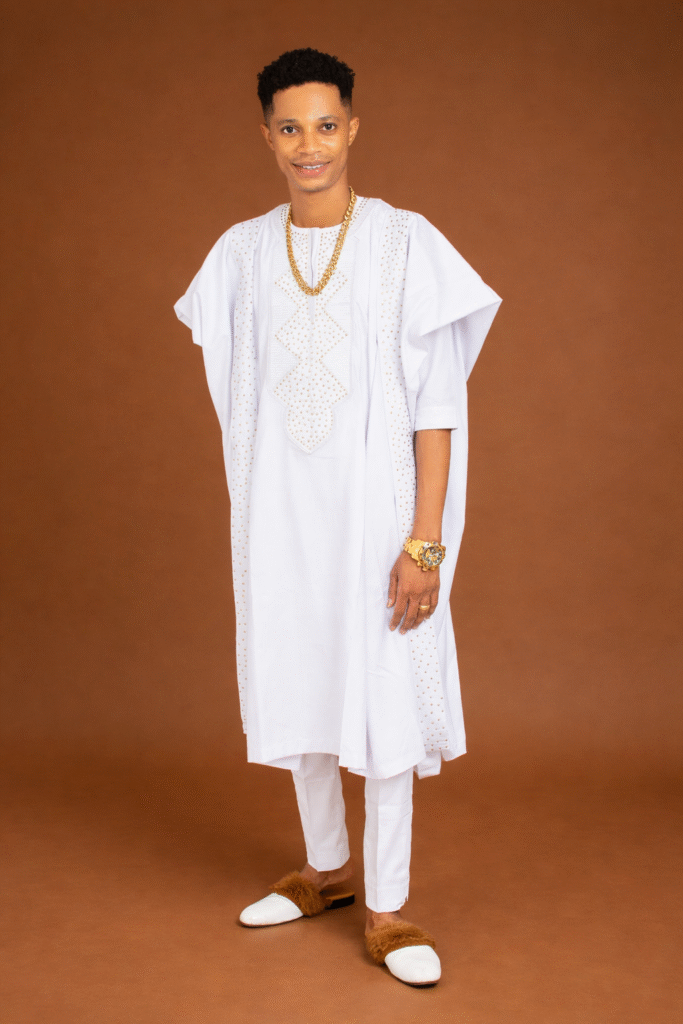
What feedback have you received from viewers that particularly stood out to you?
One of the most valuable aspects of building in public is the feedback loop. Viewers consistently ask for more authenticity, stronger personalities, longer viewing hours, and deeper digital engagement. We take this seriously, because it aligns with where the industry is going, towards more immersive, always on experiences. That feedback is actively shaping how we refine and expand the format.
Where do you see the future of reality TV heading, especially in Nigeria?
Reality TV is entering a new phase, one that is digital first, borderless, and highly interactive. The future is in 24/7 live streaming, real time audience engagement, and global accessibility through platforms like YouTube and other streaming services. We’re moving towards a model where audiences are not just viewers, but participants in the experience. For Africa, this presents a major opportunity to create formats that are locally rooted but globally consumable. “The next generation of reality TV will not be watched, it will be experienced.”
Are there any new projects or formats that you are currently developing for Breeze Production?
Yes, we are currently expanding on multiple fronts. We are developing a slate of films for our Breeze ONTV streaming platform, while also evolving The Gang Reality Show into a multi platform experience. Part of that expansion includes regional integration. We’ve already begun incorporating talents from other African countries, starting with Ghana. The long term vision is to build a format that travels across Africa and resonates globally.
What has been your personal highlight since launching The Gang?
The most fulfilling part of this journey has been transformation. Seeing individuals come in as unknowns, with raw ambition, and leave with confidence, recognition, and real opportunities, that never gets old. It’s a reminder that what we’re building goes beyond entertainment. We are helping people step into new versions of themselves.
What advice would you give to aspiring producers and creators looking to break into the reality television space?
Start with clarity. Your concept is everything, what makes it unique, who it serves, and what emotional journey it offers the audience. You don’t need to start big, but you need to start intentionally. Even niche ideas can scale if executed with precision and consistency. And most importantly, understand that you are not just creating content, you are building intellectual property. “In today’s world, formats are currency.”
How do you maintain your creative vision while dealing with commercial pressures in the entertainment industry?
It comes down to alignment. I work with partners, brands, and collaborators who understand the value of authenticity and trust the vision. For me, it’s not just about funding, it’s about strategic partnerships with people who see the long term value in what we’re building. When that alignment exists, commercial success doesn’t dilute creativity, it amplifies it. “The right partnerships don’t interrupt the vision, they accelerate it.”
Nothing beats the dream of a visionary. Way up GangLord